On November 9, 2026, PANews reported that Elysium, described as Hyperliquid’s first L2 ecosystem project, was scheduled to open its mainnet that evening. Its testnet had attracted token launches, trading and bridge deposits ahead of the planned launch. But activity had fallen from recent peaks, while a dispute over transaction submission raised questions about whether users had equal access.
The ecosystem before launch
Elyscan recorded more than 6.379 million cumulative Elysium testnet transactions by the time of the report. Daily transactions exceeded 1.4 million on November 8. Elysium Explorer reported more than 210,000 HYPE, worth about $15.48 million, in cumulative bridge inflows. The report also gave figures of about 98,000 HYPE transferred in and 7,900 HYPE transferred out; it did not explain how those figures relate to the larger cumulative-inflow total.
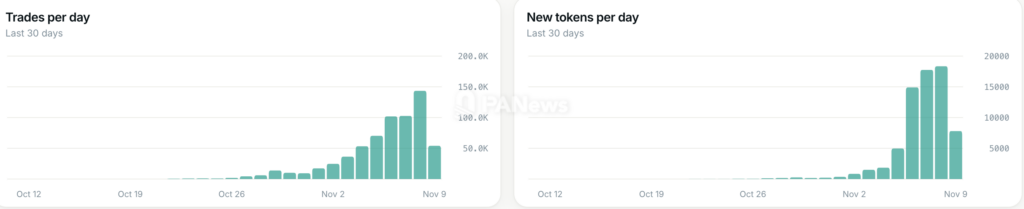
Token-launch platforms were competing for early activity. Arkhampad recorded roughly 143,000 token transactions and 18,000 new tokens on November 8. Its cumulative figures exceeded 66,000 tokens and 113,000 addresses. Elyscreener put launchpad trading volume over the preceding 24 hours at about $21.19 million, with Ascend accounting for approximately 41% and Montra 28%. Both platforms had opened ahead of their originally planned mainnet starts, according to PANews.
That volume had not translated into many high-value tokens. GMGN counted six Elysium ecosystem tokens with market capitalizations of at least $1 million; the largest, e/acc, was valued at about $7.3 million. The report said some early participants had taken profits, others were forming liquidity-provider positions, and some were waiting.
The activity figures also pointed to a slowdown. PANews reported about 268,000 transactions on November 9, calling them mainnet transactions despite describing the mainnet opening as still scheduled for that evening. That figure was about 80.9% below the cited peak. It also reported roughly 25,000 token transactions and 4,500 new tokens that day, down about 82.5% and 75%, respectively, from their peaks. Those figures should not be read as evidence that the scheduled mainnet opening had already taken place.
The transaction-access dispute
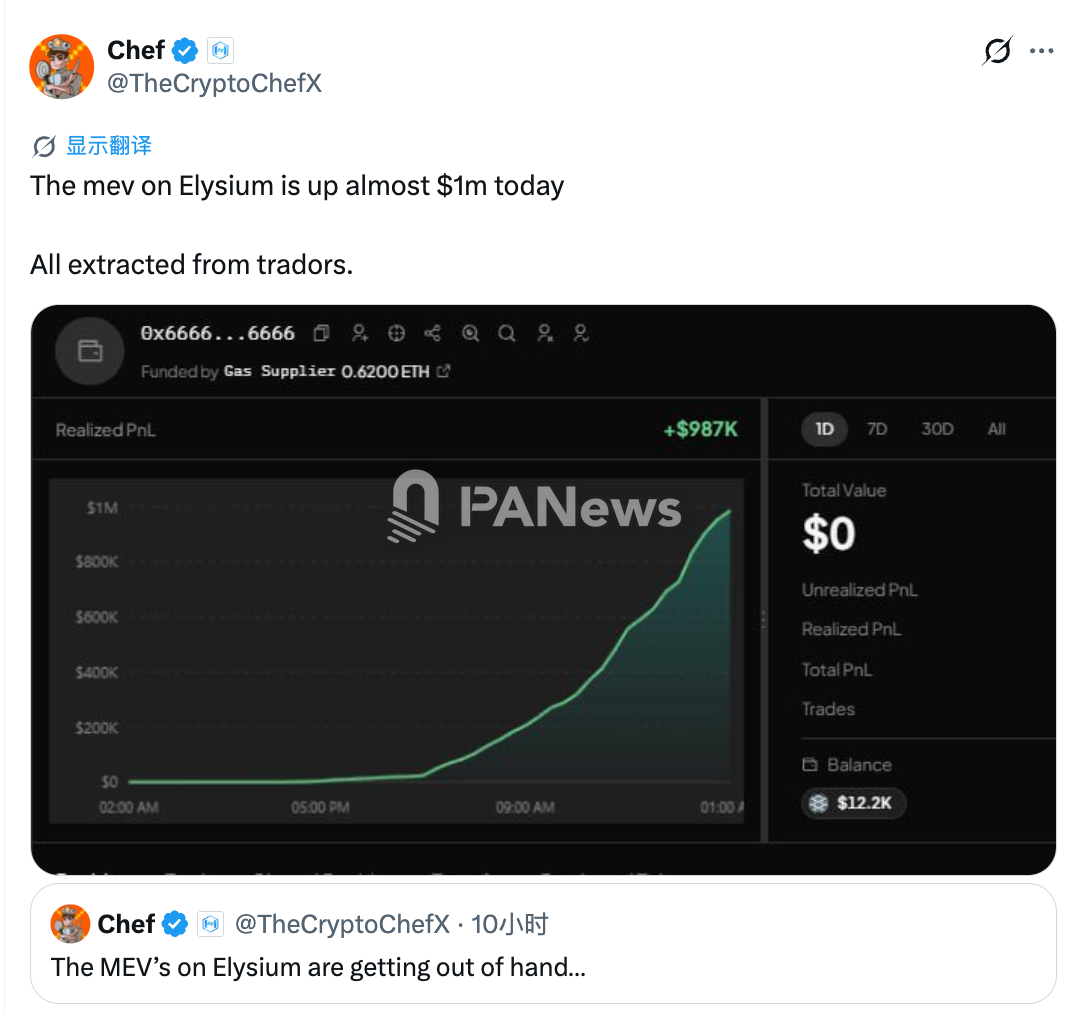
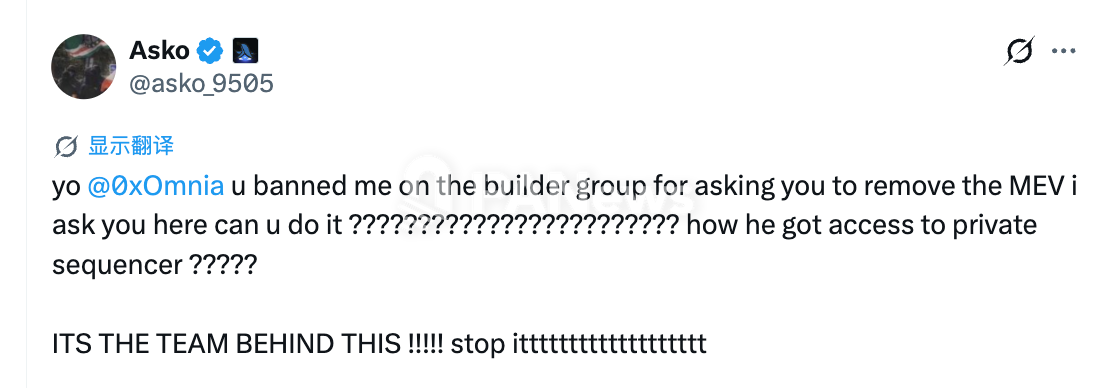
Community members alleged that a particular wallet used a private node and privileged access to run a sandwich-trading bot against launchpad users. PANews said the address had been publicly labeled a high-frequency sandwich and MEV bot, with on-chain records showing profits approaching $1 million. The allegation that Elysium granted it privileged access was disputed, not established.
According to the report, the Elysium team initially acknowledged a related problem and said it had revoked the address’s RPC access. After community members alleged that the activity continued, the team said the transactions had used the normal HyperEVM Delayed Inbox route and denied misuse of sequencer privileges. PANews also reported complaints that some questioners were muted in the project’s Telegram group and that founder Omnia had blocked community members.
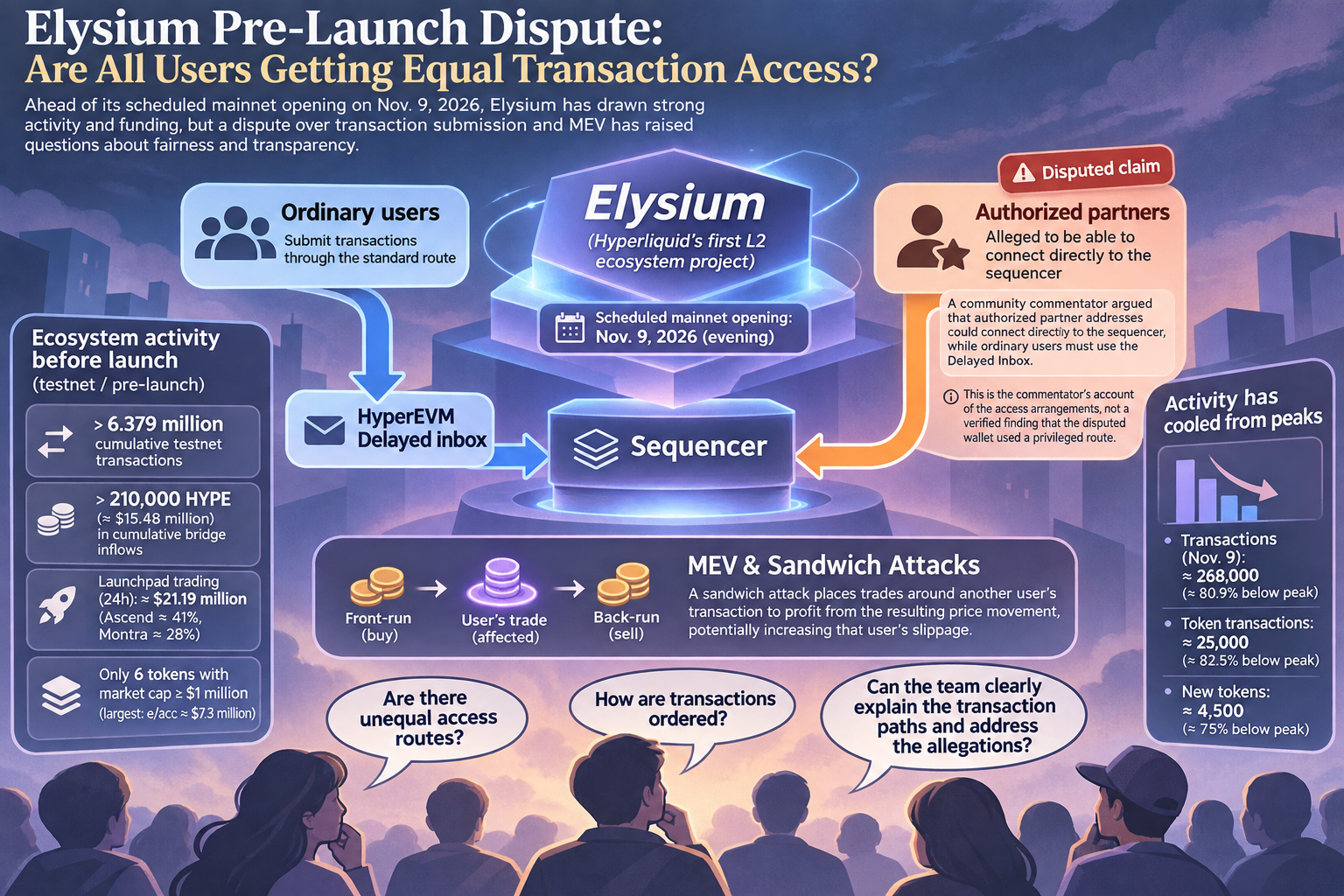
Crypto commentator @y_cryptoanalyst argued that, although Elysium’s documentation described priority-fee ordering without a privileged transaction lane, authorized partner addresses could connect directly to the sequencer while ordinary users had to use the slower Delayed Inbox. That is the commentator’s account of the access arrangements, not a verified finding that the disputed wallet used a privileged route.
A sandwich attack places trades around another user’s transaction to profit from the resulting price movement, potentially increasing that user’s slippage. Separately from the disputed wallet’s access, femtos.xyz reported that its monitoring had detected more than 24,000 sandwich attacks by 31 bots over the preceding seven days, affecting more than 6,000 traders. It estimated about $303,000 extracted across roughly $7.2 million in affected trades, with a median loss of 3.4% per affected trade. The two leading bots accounted for a combined 49% of the reported proceeds.
For readers assessing Elysium at this pre-launch stage, the unresolved question was not simply how much activity it could attract. It was whether the team could clearly explain its transaction paths and ordering rules, and address the community’s specific allegations about unequal access.