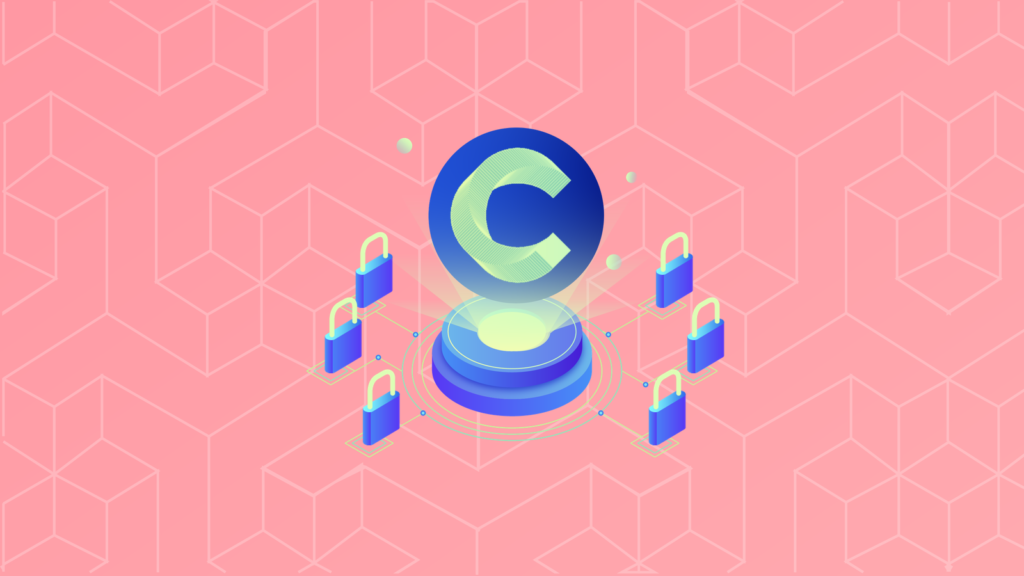
Originally reported by Decrypt on November 15, 2026 (00:01, UTC+8). Canton Network is a public layer-1 blockchain built for institutions that need to transact together without exposing client information, positions or collateral flows to everyone on the network. Its central proposition is shared settlement with restricted visibility—not a single ledger that every participant can read.
How the network fits together
Developed by Digital Asset, Canton launched with a pilot group in May 2023. Its public infrastructure, the Global Synchronizer, went live alongside its native coin in July 2024.
Canton operates as a “network of networks.” According to its documentation, an institution’s validator node stores only data relevant to that institution. Smart contracts written in Digital Asset’s Daml language specify which parties are signatories or observers; a participant receives only the parts of a transaction in which it is involved. Super Validators run the Global Synchronizer, which orders encrypted messages and confirms transactions without reading their contents. The Global Synchronizer Foundation, hosted by the Linux Foundation, governs the network.
That design makes the trust boundaries important: participants rely on their own nodes for their transaction data and on the synchronizer’s operators for coordination. Canton says connected transactions can settle atomically—either all sides complete or none do. In one 24-hour period in November 2026, about 79% of updates recorded on Canton were private, according to CantonScan.
What had reached production by the reporting date?
DTCC processed production trades using tokenized U.S. Treasuries and equities on Canton in July 2026. Its Tokenization Service launched commercially on October 28, beginning with 25 securities, according to a DTCC fact sheet. The service runs on both Canton and DTCC’s private Besu network. Broadridge’s distributed-ledger repo platform and Franklin Templeton’s Benji fund platform are also among the projects using Canton.
Other activity was at different stages. J.P. Morgan’s Kinexys planned to issue its JPMD deposit token natively on Canton through a phased 2026 rollout. Derivnex and its partners planned to add cash settlement and collateral management for derivatives. Those plans should not be read as completed deployments. DTCC also planned to connect its tokenization service to Stellar, Circle’s Arc and Solana in 2027.
What does Canton Coin do?
Canton Coin (CC) is the Global Synchronizer’s native utility coin. Network fees are paid by burning CC, while new CC is minted as rewards for validators, Super Validators and qualifying app builders. Canton says the coin had no pre-mine or venture-capital allocation. As of November 2026, CantonScan data indicated daily burns were roughly 80% of daily minting, so burns had not overtaken issuance; circulating supply was just over 40 billion CC.
CC is a native coin, not an ERC-20 token. That distinction matters when identifying an asset offered through an exchange or onchain swap venue: a similarly named token on an Ethereum-based exchange is not necessarily Canton Coin. Availability varies by region.
The picture at the original reporting date was therefore a mix of live institutional services, phased rollouts and proposed extensions. Canton’s privacy model addresses a documented institutional constraint, but the scope of future adoption—and whether usage will eventually cause CC burns to exceed minting—remained open questions.
Source: decrypt.co (originally published 2026-11-15 00:01 UTC+8)